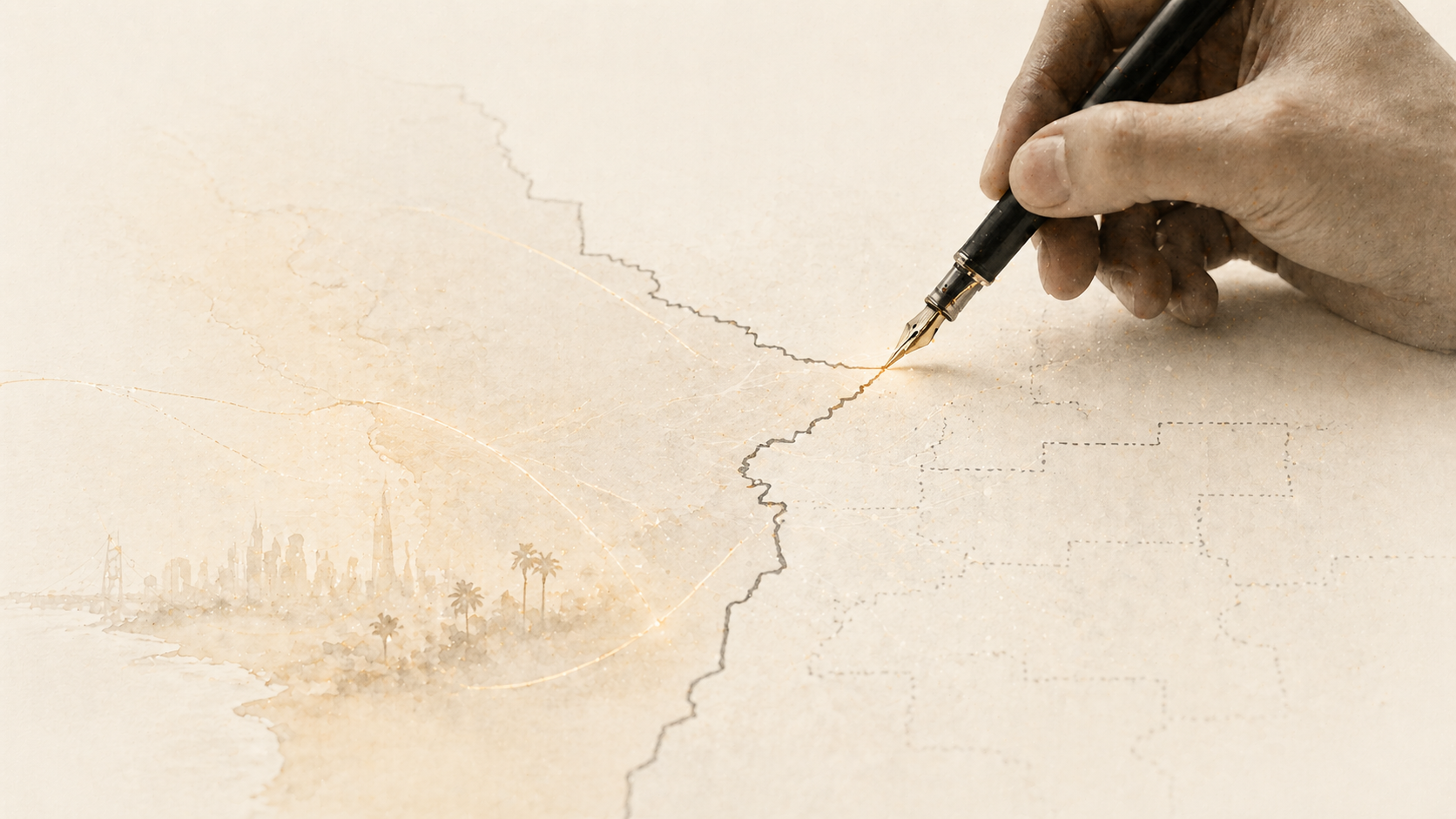
You Don’t Fix Democracy by Breaking It
Process as the safeguard
Every few election cycles, someone promises to fix corruption by rewriting the rules. This year, they call it Proposition 50. It tells Californians that the only way to stop gerrymandering is to gerrymander back, taking redistricting power from an independent citizens’ commission and giving it to politicians with a stake in the process.
That may feel like justice. It isn’t.
The Temptation to Fight Dirty
It is human to want balance restored. When other states distort their districts into grotesque shapes to protect incumbents, we want to strike back to prove we will not be out-schemed. Yet every time we do, we reinforce the idea that fairness is naive and that winning justifies whatever it takes.
History never rewards that logic. You do not teach integrity by perfecting the tools of manipulation. You only lay the groundwork for greater treachery.
The Radicalization Spiral
Consider Long Beach. Under the proposed new lines, the same city that recently banned the Pride flag could end up represented by an openly gay legislator. That may sound poetic, but it is not progress. It is chaos in disguise.
Each cycle of revenge redraws both the moral and political maps. When we engineer outcomes instead of earning them, we radicalize those who feel erased. Then we point to their anger as proof that our strategy worked. That is how democracies erode, not through a single act of tyranny but through a thousand justified exceptions.
When the Majority Becomes the Bully
Proposition 50 is not just about maps. It’s about the majority’s temptation to punish rather than persuade. When the crowd learns it can weaponize its numbers, principles give way to desire.
The abuse of power rarely begins in darkness. It starts when the majority decides its cause is too righteous to need restraint. That’s when fairness becomes theater and accountability turns into spectacle.
A system that claims moral superiority while silencing dissent isn’t democratic. It’s performative dominance dressed in civic language.
What We Stand to Lose
California created the Citizens Redistricting Commission to keep partisanship out of representation. It was a hard-won recognition that process is the real safeguard of fairness. To abandon that principle now, even temporarily, is to admit that our ethics are conditional.
Proposition 50 doesn’t defend democracy. It teaches it to cheat politely, pretending that the lesson is virtue.
The Real Test
Integrity is tested most when it’s least convenient. Voting no on Proposition 50 isn’t about protecting Republicans or scolding Democrats. It’s about safeguarding the civic immune system that prevents politics from consuming principle.
We can’t rebuild public trust by mimicking the tactics that eroded it. We do it by standing firm, even when others don’t.
Closing
When the dust settles and headlines fade, it won’t matter who claimed the moral high ground. What will matter is whether we stayed there.
If things go wrong, at least I know I voted with integrity and ethics.
Because integrity doesn’t guarantee victory.
It guarantees peace with yourself.

Subscribe to Amid the Noise
Amid the Noise is an ongoing body of work on signal, systems, governance, AI, and the structures that shape human judgment under pressure.
Subscribe to receive new essays as they are published.