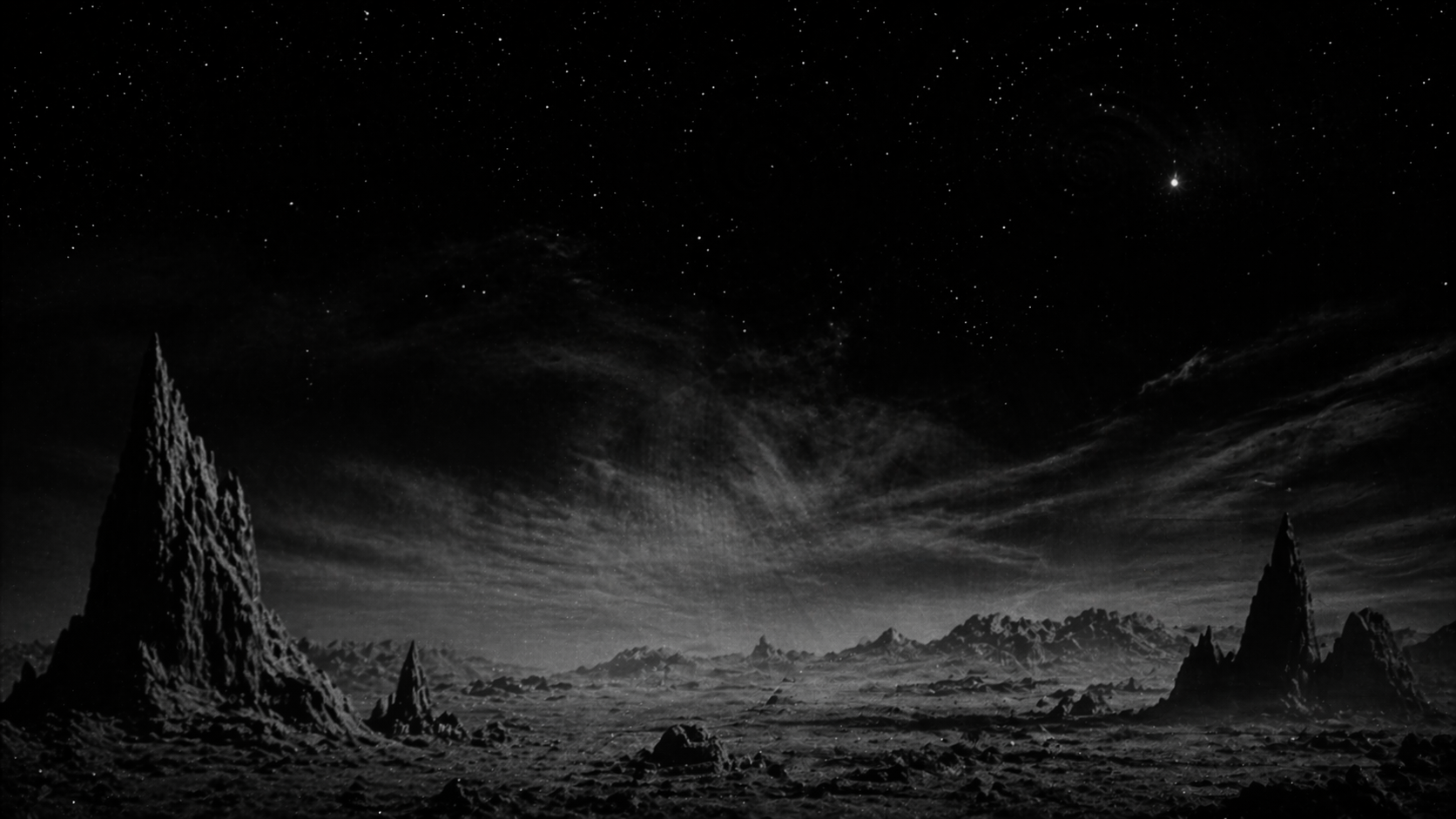
Submitted for Your Consideration…
The loss of shared frequency
A man sits in a quiet room, reflecting not on what has been lost, but on what has been misplaced.
Once, not so very long ago, there existed a peculiar arrangement between storyteller and audience. The storyteller would offer a question dressed as a narrative. The audience would accept the invitation, follow the thread, and arrive somewhere unfamiliar, often unsettled, but unmistakably aware that they had been asked to think.
This arrangement was not written into law. It required no signature. It operated on something far more fragile.
Trust.
In that earlier era, a series known as The Twilight Zone assumed its viewers possessed a working tolerance for ambiguity. It presumed they could entertain contradiction. That they might sit, for half an hour, with an idea that refused to resolve itself neatly.
And more often than not… they did.
The signal was sent.
The signal was received.
Now consider a different landscape.
A world not of scarcity, but of abundance. Not three channels, but three million. Each one tuned with exquisite precision to the preferences of its audience. Each one speaking fluently, but only within the boundaries of its own design.
In this world, the specialist thrives. Depth becomes currency. Language narrows. Fluency increases, but only in dialects that do not travel well.
The generalist, once a courier of meaning between domains, finds fewer roads to walk. Not because the terrain has vanished, but because the paths no longer intersect.
The result is not ignorance. It is isolation.
A fragmentation of understanding so complete that even the most urgent signals arrive intact… and go unrecognized.
There are those who might conclude that the audience has changed. That attention has diminished. That the appetite for complexity has been replaced by a hunger for immediacy.
That conclusion would be… premature.
The capacity remains.
What has changed is the stage.
The shared space where an idea could be broadcast broadly enough, clearly enough, and with sufficient trust that it might land across differences. That space has not been destroyed.
It has been divided.
And so we return to our subject.
A man who wonders not whether today’s audience could follow a story like The Twilight Zone.
But where such a story would live.
Where it could gather enough of the fragmented whole to matter. Where it could once again pose a question large enough to cross boundaries, and quiet enough to be heard.
He suspects the answer will not be found in the machinery of distribution alone. It will require something older. Something less technical.
A restoration of shared frequency.
Because a signal, no matter how precise, no matter how urgent, has only one true measure of success.
Not that it was sent.
That it was understood… in time.

Subscribe to Amid the Noise
Amid the Noise is an ongoing body of work on signal, systems, governance, AI, and the structures that shape human judgment under pressure.
Subscribe to receive new essays as they are published.