Clarity Is a Civic Function
Understanding infrastructure without distortion
Conversations about data centers have taken on a strange life online these days. A building that once blended into the background now attracts speculation, suspicion, and a growing wave of conspiracy theories. Much of this comes from people encountering a technology they never had a reason to understand. Confusion fills the space where clarity should live. Jargon steps in. Fear follows.
I want to cut through that gently and show what these facilities actually do. Nothing mystical, nothing hidden. Just the digital backbone of daily life. So here is the same explanation delivered two ways. One version uses simple, everyday language for people who only need the basics. The other uses the vocabulary of professionals who work with these systems. Seeing them together makes the point. The truth stays the same. Only the register shifts.
Data Centers, Explained (plain English edition)
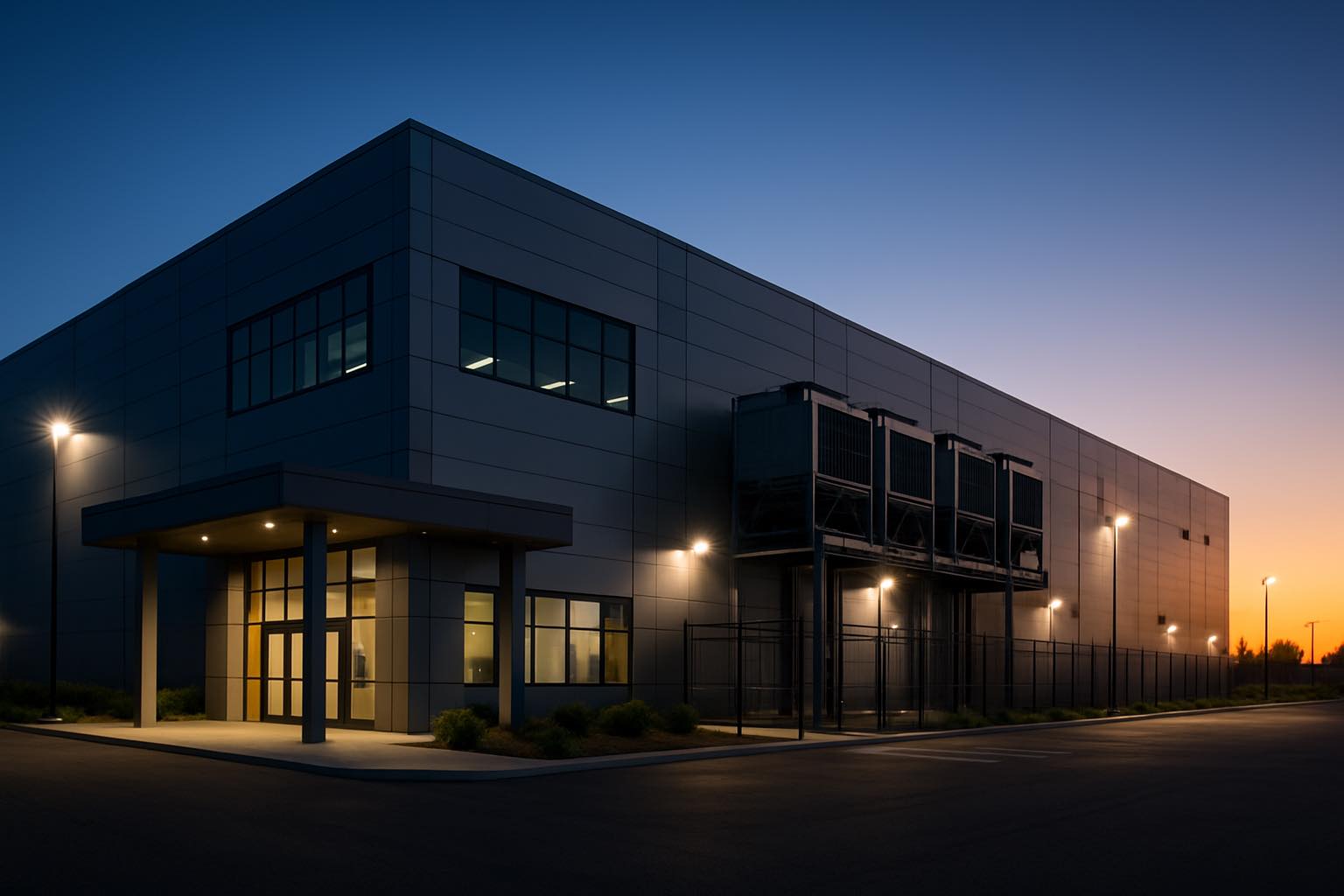
A data center is a large building filled with powerful computers. These computers hold our photos, videos, messages, and apps. They keep everything safe, organized, and ready whenever we need it.
When you watch a movie, play an online game, order food, or look something up, the computers in a data center help make it happen. They store the information, process it quickly, and send it back to you in seconds.
A data center works like a super-sized digital library. It protects information, moves it where it needs to go, and stays on all day and all night so the online world keeps running smoothly.
Data Centers, Explained (Nerd edition)
A data center is a purpose-built facility designed to deliver reliable computational capacity, secure data storage, and high-availability digital services. It functions as the physical backbone of the modern internet and every cloud platform we depend on, including banking, logistics, and national security systems.
Inside are thousands of interconnected servers organized to distribute workloads, replicate data across clusters, and maintain persistent uptime. Power redundancy, cooling infrastructure, and fiber backbones ensure these servers operate continuously, even during peak load or regional disruptions.
At their core, data centers provide three functions: computation, storage, and transmission. They process everything from streaming video to machine-learning workloads, safeguard data through encryption and replication, and move information globally with minimal latency.
Every digital action routes through one or more of these facilities. They represent the quiet infrastructure of modern life, not a secret. Their work simply hides behind complexity.

Subscribe to Amid the Noise
Amid the Noise is an ongoing body of work on signal, systems, governance, AI, and the structures that shape human judgment under pressure.
Subscribe to receive new essays as they are published.